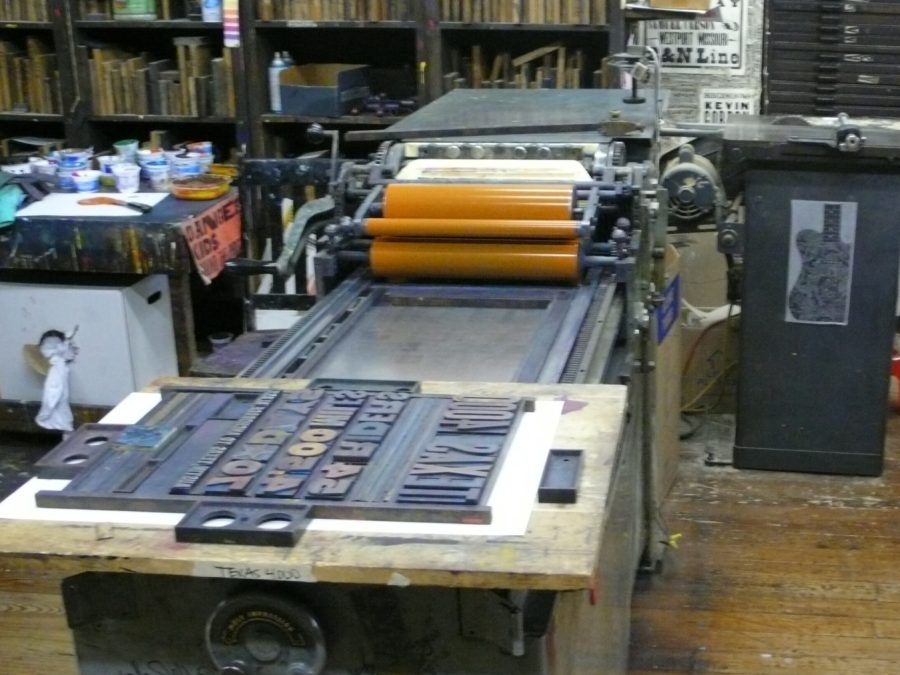
Every broadside and most business card runs in this shop are printed from photopolymer plates — a digital file exposed onto a light-sensitive polymer plate, mounted on a base, and locked up like any other printing surface. It’s faster, more consistent, and lets us run typefaces that were never cut as physical metal type. For most commercial work, that’s simply the better tool.
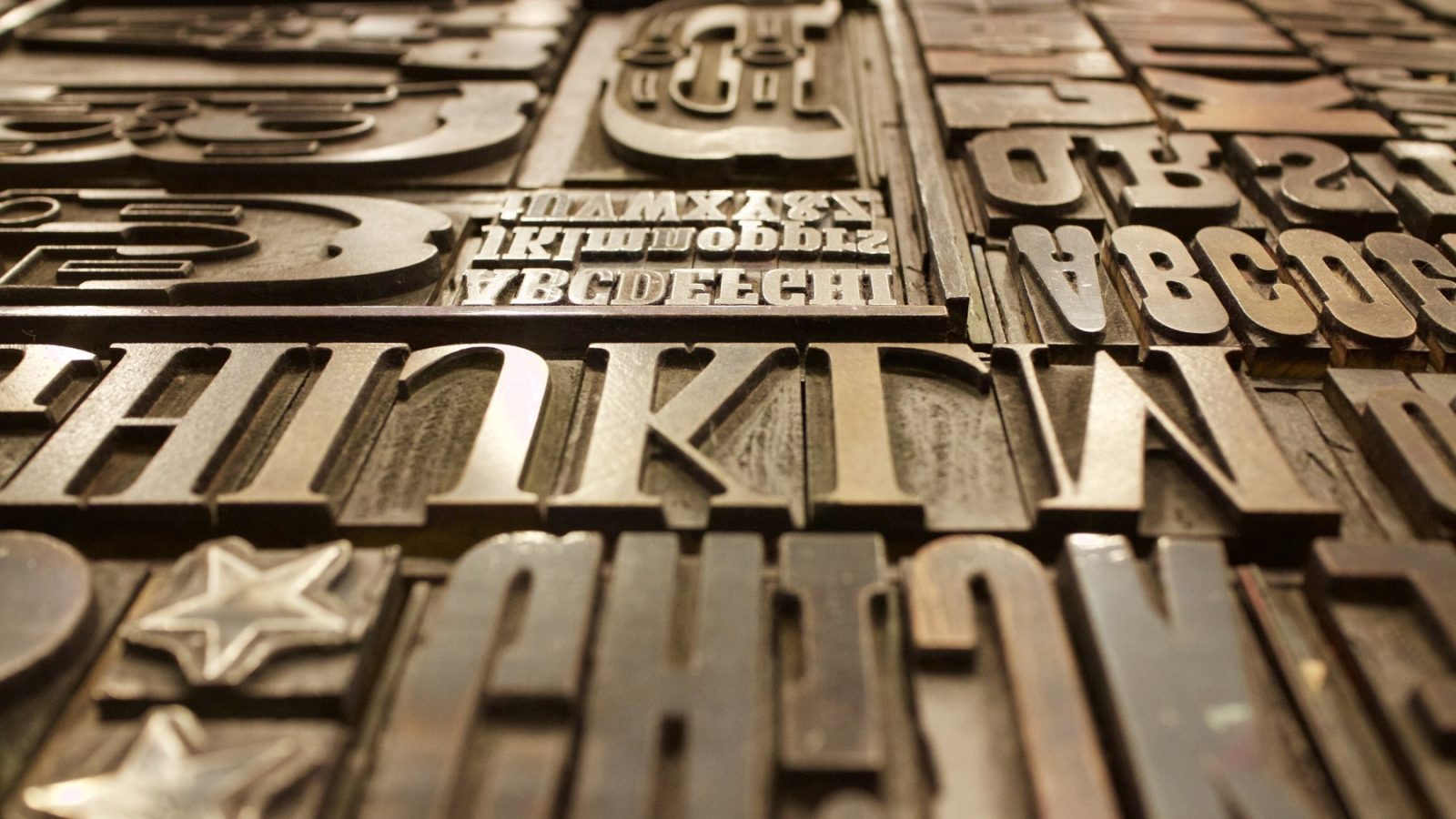
We still hand-set from our own case of metal and wood type for a specific category of job: pieces where the commission is explicitly about the object being handmade in the traditional sense, not just letterpress-textured — our Founder’s Broadside and most literary broadside collaborations fall here. Hand-setting is slower, limits us to the typefaces and sizes actually sitting in our case, and makes wide, even spacing genuinely harder to achieve than a digital plate does automatically. We tell clients which method a quote assumes before they commit, because the two produce visibly different results and cost differently for honest reasons.